Article: Skinfasting - when less is more for your skin
Skinfasting - when less is more for your skin
Today, everything revolves around innovative skincare products and complex skincare routines to make the skin look plumper, smoother, and more radiant. For many years, the Korean beauty routine with twelve consecutive skincare steps for flawless skin has stood out and was considered the holy grail of skincare. At the same time, more and more women are complaining to dermatologists about a rash around the mouth, known as perioral dermatitis*. This skin condition is triggered by an excess of or too frequent changes in skincare, which negatively affects the skin barrier. So, beauty junkies who experiment a lot with skincare should pay close attention…
As a countertrend to the "more is more" motto, skin minimalism** is becoming increasingly popular. The idea behind this beauty trend is not to overwhelm the skin with too many different products and ingredients, but to give it only the bare essentials.
In Japan, not only is skin minimalism popular, but skin fasting is also part of it. During a conscious skincare break, the skin's own functions and regenerative capacity are stimulated, which brings many benefits for the skin barrier, the microbiome, and a beautiful complexion.
How the skin helps itself – the benefits of skin fasting
The method of therapeutic fasting, e.g., according to Hildegard von Bingen or Ayurvedic teachings, is well known. Fasting has been a lived tradition for many centuries, especially at the turn of the year or in religious communities. Detoxing accelerates the body's natural processes that it needs for "detoxification," so that it can excrete harmful substances more quickly through organs such as the liver, kidneys, the lymphatic system, and also the skin.
Similar to classic detoxing, skin fasting also works. If skincare is avoided for a while, the skin's own systems get going again and are reactivated. This brings many benefits to the skin: on the one hand, it "learns" to regulate its natural functions such as moisture balance and sebum production itself. It also recovers from an excess of skincare, which can minimize irritation. Skin fasting also strengthens the skin barrier and improves the immune defenses, which counteracts the signs of premature skin aging in the long term.
There are special tips for the different skin types that make the skin fasting result even more positive:
- Normal skin: For normal skin, skin fasting is a good way to maintain the natural balance and help the skin not to become "dependent" on skincare products.
- Oily skin: People with oily skin should wash the skin less often during skin fasting. Because frequent cleansing can stimulate the sebaceous glands so strongly that they produce more and more sebum. This makes the skin shinier, and the pores get clogged. Through fasting, the skin's oil production can stabilize.
- Dry skin: Dry skin is often pampered with too many rich serums and concentrates. But this can lead to a decrease in the skin's own moisture production. To stimulate exactly this again, it is advisable to slowly stop using skincare products and clean the skin with mild cleansers. At the beginning of skin fasting, feelings of tightness and flaking can occur. Over time, the skin regulates itself.
- Sensitive skin: Skin fasting can be a blessing for sensitive skin. Why? Fewer products mean fewer potentially irritating substances. Especially for people who are sensitive to preservatives, fragrances, or alcohol in skincare products, skin fasting can help soothe the stressed skin.
The right nutrition during skin fasting
What we eat has a major impact on skin health****. To optimize the fasting process from within, the diet should be nutrient-rich and specifically support the skin's needs. Antioxidants are recommended because they protect the skin from oxidative stress caused by free radicals, which can slow down skin aging.
Good sources of antioxidants are red berries, citrus fruits, and green vegetables. In addition, the conscious intake of beta-carotene (vitamin A) is also a good idea. It improves the elasticity of the skin and stimulates its cell renewal. Beta-carotene is found, for example, in carrots, sweet potatoes, and spinach. Omega-3 fatty acids are also good for the skin: They protect against drying out and promote an intact skin barrier. Good suppliers are fatty fish such as salmon, mackerel, and sardines. But there are also vegetarian sources with flaxseeds, chia seeds, and walnuts. For the intake of important B vitamins, eggs, oatmeal, bananas, lentils, and green leafy vegetables are ideal – they have a soothing effect on irritation and redness.
Anyone who wants to strengthen the microbiome especially*** through skin fasting should integrate probiotics and prebiotics***** into their diet. Probiotics and prebiotics promote a healthy balance of microorganisms on the skin. Probiotics are found in yogurt, kefir, as well as in fermented foods such as sauerkraut, kimchi, and kombucha. Prebiotics are indigestible fibers that serve as food for the healthy bacteria in the gut and on the skin. Sources are chicory, garlic, onions, bananas, and oats.
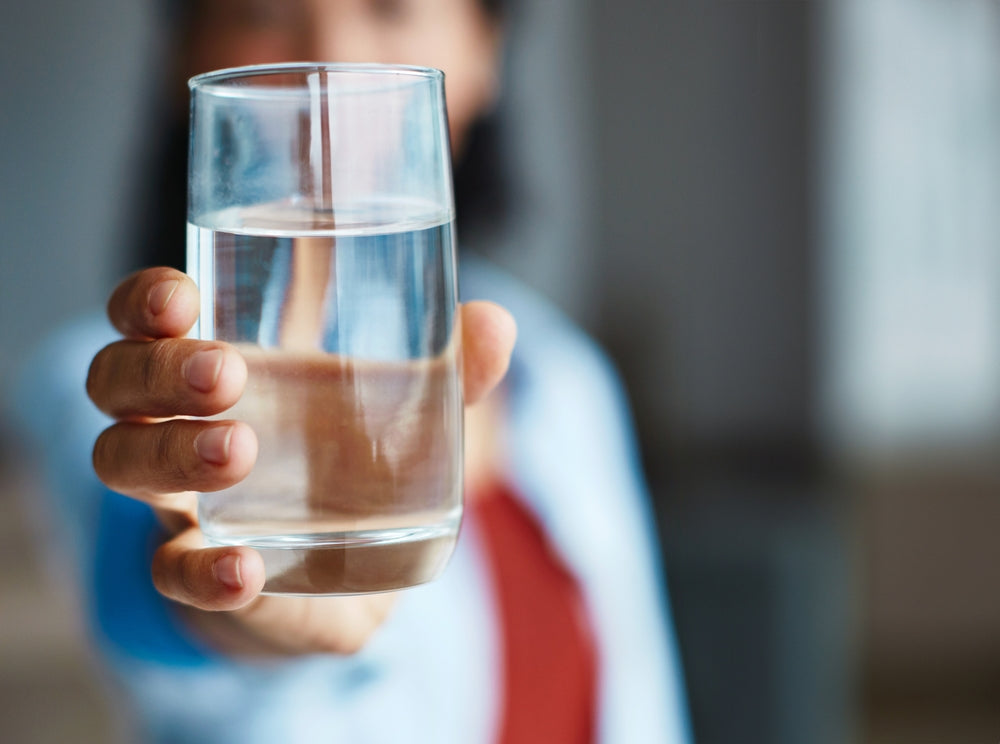
In addition to food, drinking also has a positive effect during skin fasting. Why? The skin needs a lot of fluid. Since less moisture is supplied during skin fasting, it is essential to drink a lot of water to hydrate the skin from within. Two liters per day are recommended.
Similar to therapeutic fasting, certain foods should be reduced or omitted entirely. This includes sugar above all. The reason: Too much sugar can lead to glycation. In this process, sugar molecules attach to proteins such as collagen and destroy it. This can accelerate visible skin aging through wrinkle formation. Since sugar is also in many ready-made products, it is promising to avoid industrially produced foods and instead cook fresh yourself. Anyone who avoids fast food is doing their skin a favor, because fried and fatty foods can lead to an overproduction of sebum, which can be a cause of clogged pores and blemishes in oily skin. Ideally, no alcohol should be consumed during skin fasting, as it draws moisture from the skin.
The soul fasts too
To also accompany skin fasting mentally in a positive way, there are various methods that lower the stress level. Yoga, meditation, walks in the fresh air, or dancing can help minimize the stress hormone cortisol. In addition, sufficient sleep is an essential factor for our health – and also for the skin. Because at night the skin regenerates and independently repairs small cell damage.
So skin fasting is not only the reduction or avoidance of skincare products, but can also include nutrition, exercise, sleep, and mental hygiene. Therefore, fasting should not be done per se during challenging times, but ideally when there is time and leisure to also follow through with the plan. Plan four weeks for optimal results and stick with it. In this cycle, the skin renews itself, and the effect of skin fasting becomes visible.
What happens next after fasting
Skin fasting is not forever! Completely avoiding skincare does not do the skin any good, but can harm it! It needs – especially because of external conditions such as fine dust and UV radiation – protection through skincare ingredients. Skin fasting is a useful practice twice a year as a reset for the skin. Good opportunities are, for example, a change of season or the change of the previous beauty routine through a new skincare series. Tip: Anyone who wants to test new products should practice skin fasting beforehand, so that the skin can get used to the old skincare and the new products can unfold their full effect on "clean" skin. But pay attention, generally it applies: Do not immediately start the full skincare program after skin fasting, but slowly get the skin used to the active ingredients again. Through skin fasting, the handling of skincare products becomes more conscious. This often leads to a more minimalist and targeted beauty routine in the sense of skin minimalism. This not only protects the skin, but also the environment and the budget.
*Naldi, L., & Rebora, A. (2009). Clinical review: Perioral dermatitis. Journal of the American Academy of Dermatology.
**Freeman, K. et al. (2020). Minimal Skincare Regimens: The Emerging Trend of 'Skin Fasting'. Journal of Dermatological Science.
*** Zhang, S., et al. (2021). Skin Microbiome and its Potential Protective Mechanisms against Skin Disorders. Journal of Dermatological Science.
****Fuchs, J., & Podda, M. (2002). Antioxidants in Dermatology. The Journal of Clinical Dermatology.
*****Knackstedt, R. et al. (2020). The Role of Probiotics, Prebiotics, and Synbiotics in Skin Health. Journal of Dermatological Science.