

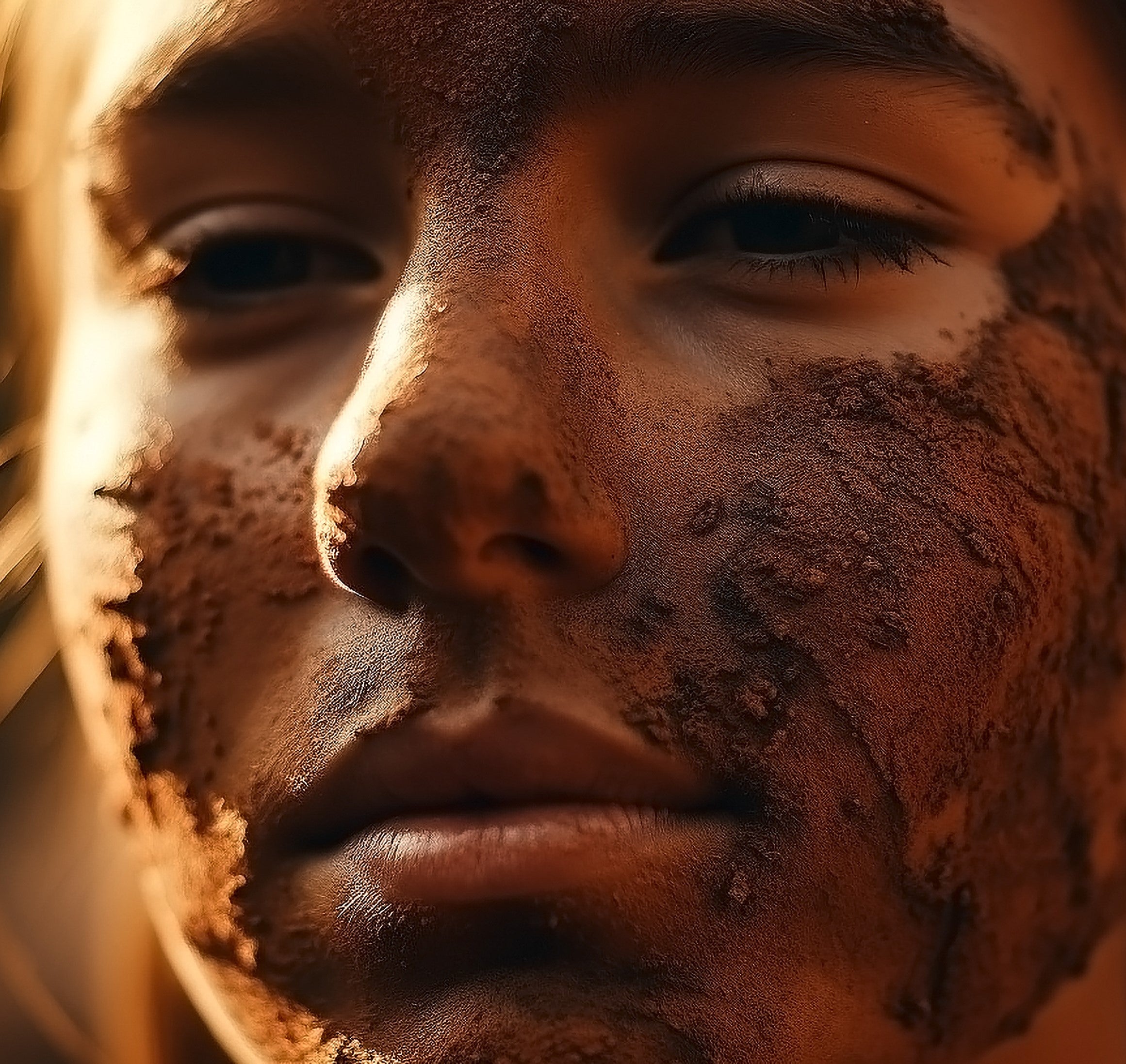
THE SKIN ECOSYSTEM
Human skin is not only the outermost layer of our body, but also a complex and dynamic ecosystem. This fascinating system hosts many microorganisms that live on the skin and together form a community – the microbiome. This includes bacteria, fungi, viruses, and other microbes that lay like a thick carpet over our entire skin and protect it from the outside world. What is fascinating is that no microbiome is like another, which means that the composition of bacteria on the skin is as individual to each person as their fingerprint.
FUNCTION & BALANCE
Just as in an ecosystem in nature (whether a flower meadow or a forest), the greater the biodiversity and the more balanced the population, the more stable and resilient the ecosystem. So, a large diversity of bacterial strains on the skin, living and working in balance with each other, represents an intact microbiome and is the key to healthy skin.
Many essential skin functions are stimulated and regulated by the microbiome. It plays a crucial role in skin health and in defending against pathogens. As a living layer on the skin, it protects the skin from external influences, strengthens the immune system, controls the pH level, and strengthens the skin barrier – AS LONG AS IT IS IN BALANCE.

EVERYTHING IN BALANCE
If an imbalance occurs in the microbiome population, the composition of the microflora on the skin changes to something that is considered unhealthy – blemishes, rosacea, increased sensitivity and other skin diseases can develop. It can also lead to faster skin aging, loss of elasticity, and wrinkling. Skin diseases that are frequently associated with an unbalanced microbiome are, for example, eczema, neurodermatitis, rosacea, or psoriasis.

WHAT INFLUENCES OUR SKIN MICROBIOME ECOSYSTEM?
The skin ecosystem is influenced by a variety of factors, both internal and external. Factors such as genetics, biological age, and hormonal fluctuations play a role, but lifestyle, living environment (rural versus urban living), diet, ingredients in skincare products, hygiene (excessive washing and harsh cleansing products), the use of antibiotics, etc. also affect the microbiome and determine its composition. We can therefore partly influence how the ecosystem develops.
WHAT HELPS?
Just as probiotic dietary supplements or time-tested yogurt have positive effects on our gut, skincare products with a probiotic approach can have a positive effect on the skin by strengthening the skin microbiome. Our microbiome-friendly skincare does not use harsh chemicals. We rely on ingredients such as oats fermented with probiotic bacteria - with the aim of maintaining biodiversity (the key to ecosystem balance). By avoiding irritating chemicals, the risk of irritation is reduced and long-term skin health is promoted.
DO'S & DON'TS
DO'S
- Use mild, skin-friendly skincare products that do not disrupt the balance of the microbiome
- "Less is more" - reduce your routine to fewer, but higher-quality products
- Eat a healthy, balanced diet to support skin health from within
- Spend plenty of time outdoors and in the woods - a healthy microbiome is not just a matter of external care, but also of internal balance
- Find a method to relax, as the effects of stress on the skin should not be underestimated
- Make sure you get enough sleep - good sleep is important for skin regeneration
DONT'S
- Excessive washing or showering at too high a temperature removes beneficial microorganisms from the skin
- The use of harsh cleansing products or overly aggressive exfoliants can compromise microbial diversity
- Alcohol and smoking can disrupt the skin's delicate ecosystem
- Use antibiotics with caution, as although they combat harmful bacteria, they also reduce the number of bacteria that are important for our skin.
- A diet high in sugar and fat
- Prolonged or intense UV exposure